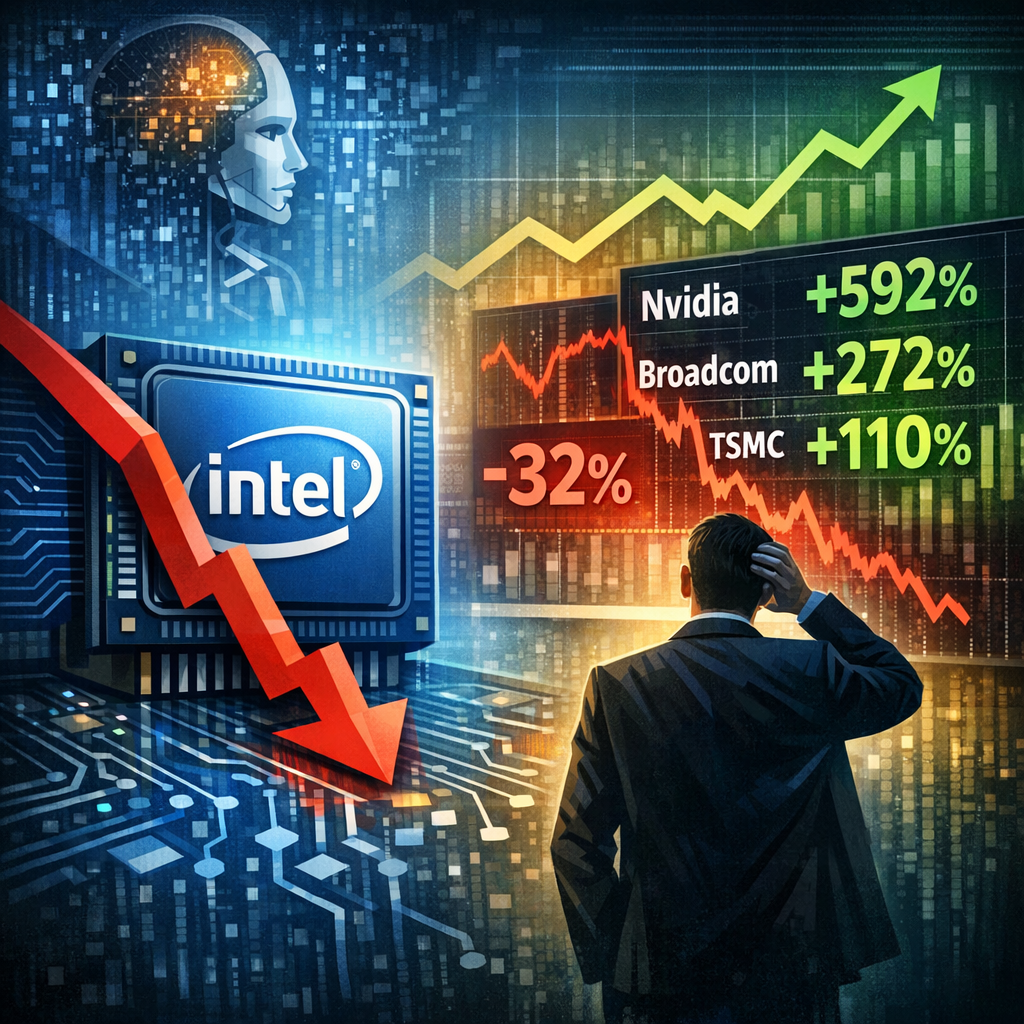
In recent years, the technology sector has experienced a transformative shift thanks to the artificial intelligence (AI) revolution. Companies across this landscape have reaped tremendous rewards, particularly those linked to the semiconductor industry. This surge in demand is largely driven by their critical role in the development of generative AI models. As AI becomes more mainstream, the semiconductor companies have found themselves at the forefront of this innovation wave. #### The Meteoric Rise of Semiconductor Stocks The release of ChatGPT on November 30, 2022, marked a pivotal moment for semiconductor stocks. Nvidia, Broadcom, and Taiwan Semiconductor Manufacturing witnessed remarkable share price increases of 592%, 272%, and 110%, respectively, since this event. Such extraordinary stock performances highlight the indispensable role semiconductors play in AI advancements. The promising returns in this sector are not limited to just a few companies. The VanEck Semiconductor ETF, encompassing a broader swath of the industry, delivered an impressive 93% total return during the same timeframe. This widespread growth underscores the sector’s robust potential, enticing investors with the promise of hefty returns. #### The Flip Side: Lagging Performers in a Booming Market Despite the widespread success, not every semiconductor company has thrived. Intel, a significant player in the field, has faced challenges that contrast sharply with the overall industry buoyancy. Since the AI surge initiated by ChatGPT, Intel’s stock has plummeted by 32%. This downturn highlights the variability within the sector despite an otherwise favorable market. For investors, this serves as a reminder that even during industry-wide booms, individual company performance can diverge due to specific operational, market, or strategic challenges. #### What’s Driving Individual Performance Discrepancies? The remarkable disparity between winners and laggards in the semiconductor space can be attributed to various factors. Companies like Nvidia and Broadcom are positioned at the cutting edge of AI technology, often leading the charge with innovations that directly contribute to AI development. In contrast, firms like Intel may face challenges due to market share battles, strategic shifts, or delays in adopting next-gen technologies. As AI continues to evolve, companies that quickly adapt and align their strategies with technological advancements are poised to benefit more significantly. This highlights the importance of strategic agility and forward-thinking in a rapidly changing technological landscape. The AI-driven surge in semiconductor stocks narrates a story of triumph and caution. While many have reaped rewards from this rapid technological evolution, some have witnessed significant setbacks. For investors, discerning between companies that capitalize on AI’s potential and those struggling to keep pace is crucial in navigating this dynamic sector.
Leave a Reply